
Choosing the right dress for a girl is about more than picking a beautiful color or following the latest fashion trend. A good dress should feel comfortable, suit the occasion, fit properly, and allow her to move freely. With so many designs available today, parents and young girls can sometimes find it difficult to decide which style will actually work best. 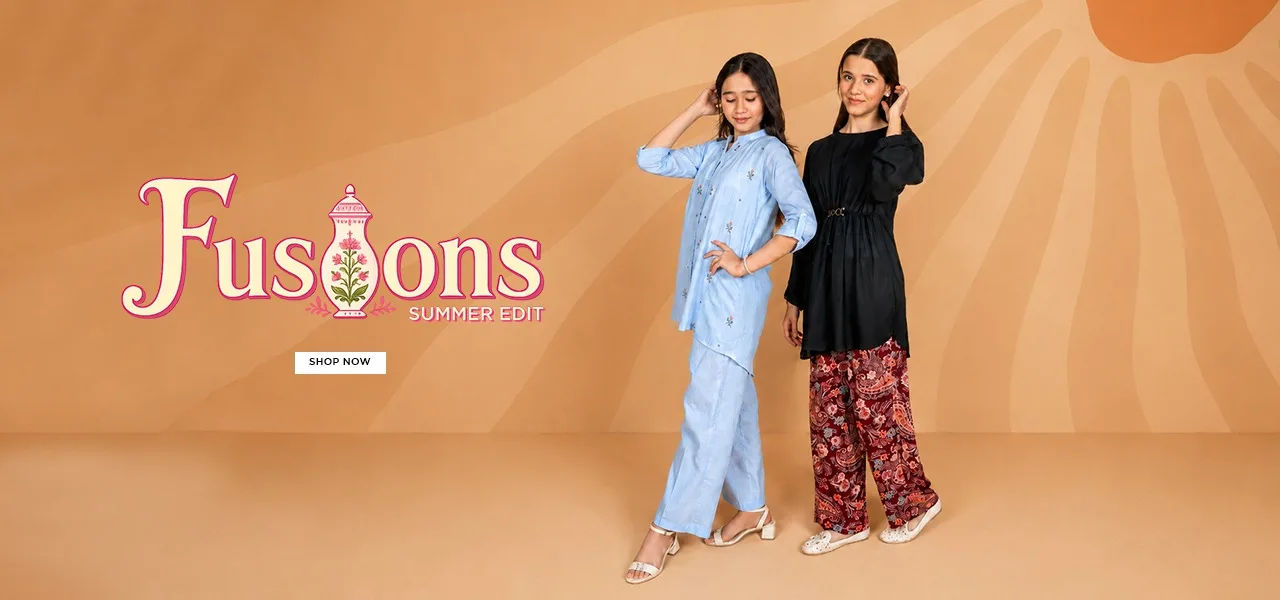 Understanding a few basic principles can make the process much easier.
A new style dress for girls can be simple, traditional, modern, playful, or a combination of several fashion influences. The best choice depends on the girl's age, personality, body comfort, weather, occasion, and personal preferences. Instead of choosing a dress simply because it looks attractive in a photograph, it is worth considering how practical it will be in everyday life.
Fashion should also be enjoyable. Girls are often developing their own sense of style, so choosing clothing can be a chance for them to express themselves. Parents can provide guidance about quality, comfort, appropriateness, and budget while still giving the girl some freedom to choose colors, patterns, and silhouettes that she likes.
Start With the Occasion
The first question to ask is where the dress will be worn. A dress suitable for a birthday party may not be practical for school, while an outfit designed for everyday wear may look too casual for a wedding.
For formal events, consider dresses with polished details such as layered skirts, embroidery, lace, subtle embellishments, or elegant sleeves. These features can make an outfit look special without making it uncomfortable.
For casual occasions, simpler designs are usually more practical. Cotton dresses, relaxed frocks, shirt dresses, and comfortable printed styles can work well for outings, family gatherings, or ordinary days.
If the dress is being purchased for a religious or cultural event, modesty and traditional design may also be important. Long sleeves, longer hemlines, decorative embroidery, or traditional fabrics can create an appropriate appearance while maintaining comfort.
Consider the Girl's Age
Age is an important factor when selecting clothing. A style that works beautifully for a teenager may not be suitable for a younger child, and the reverse is also true.
For younger girls, comfort and freedom of movement should usually receive considerable attention. Soft fabrics, uncomplicated fastenings, and flexible designs make dressing easier.
Older girls may have stronger opinions about what they want to wear. They may prefer contemporary silhouettes, coordinated accessories, particular colors, or fashion-inspired designs.
The goal is not to force every girl into the same style. Children's preferences develop over time, and clothing can reflect those changing interests.
Dresses for Younger Girls
Younger children are usually active. They may run, play, sit on the floor, climb, and move around throughout the day.
A dress should therefore allow natural movement. Avoid designs that are excessively restrictive or have uncomfortable decorative elements in areas where they may rub against the skin.
Soft cotton, jersey, lightweight linen blends, and other breathable materials can be useful choices depending on the weather.
Dresses for Older Girls
Older girls may want clothing that feels more mature while still being age-appropriate and comfortable.
A-line dresses, fit-and-flare styles, midi dresses, coordinated two-piece looks, and modern casual dresses can offer plenty of variety.
At this age, it can be helpful to let the girl participate actively in the selection process. She is more likely to enjoy wearing something that reflects her own taste.
Choose the Right Fabric
Fabric can completely change how a dress feels. A beautiful design is not a good choice if the material causes discomfort.
Cotton remains a practical option for warm weather because it is generally breathable and comfortable. Lightweight cotton dresses can also be easy to wash, which is useful when clothing is worn frequently.
Linen can provide a fresh appearance in hot weather, although it tends to wrinkle more easily. Blended fabrics may offer a balance between comfort and easier maintenance.
For cooler seasons, thicker cotton, wool blends, velvet, corduroy, and other warmer materials can provide additional insulation.
Always consider the local climate before purchasing. A heavily layered dress may look attractive but become uncomfortable in hot weather.
Check the Fabric From the Inside
The inside of a garment matters just as much as the outside. Rough seams, stiff labels, poorly finished edges, or scratchy embellishments can make a dress unpleasant to wear.
Run your hand across the inside of the dress before purchasing when possible. Check whether the seams feel smooth and whether buttons or decorations could irritate the skin.
This small step can prevent a beautiful dress from becoming an outfit that stays inside the wardrobe.
Pay Attention to Fit
Fit is one of the most important factors when selecting a dress. The right size should allow movement without looking excessively loose or feeling restrictive.
Do not automatically choose a larger size simply because children grow quickly. Extra room can be useful, but a dress that is dramatically oversized may be uncomfortable and difficult to manage.
Similarly, avoid extremely tight clothing. A girl should be able to sit, walk, raise her arms, and move comfortably.
When shopping online, carefully review the seller's measurements rather than relying only on labels such as small, medium, or large. Sizing can vary significantly between manufacturers.
Measure Before Buying
Take measurements according to the retailer's instructions. Depending on the garment, useful measurements may include chest, waist, shoulder width, sleeve length, dress length, and height.
Compare these measurements with the seller's size chart.
This is especially important when purchasing an expensive outfit or a dress for a special occasion. A few minutes spent measuring can prevent the inconvenience of returning an unsuitable item.
Select Colors That Suit Her Preferences
Color is one of the easiest ways to personalize clothing.
Some girls prefer soft shades such as pink, lavender, cream, peach, or light blue. Others may enjoy stronger colors such as red, green, royal blue, purple, or black.
There is no universal color that every girl should wear. Personal preference should be part of the decision.
For formal occasions, neutral and rich colors can create an elegant appearance. For casual clothing, brighter colors and playful combinations may work well.
Consider the rest of the wardrobe too. A dress that can be paired with existing shoes, jackets, cardigans, or accessories may provide more value than a dress that requires an entirely new collection of accessories.
Look at the Dress Silhouette
The overall shape of a dress has a major influence on its appearance.
An A-line dress gradually widens toward the hem and is a versatile option for many occasions. Fit-and-flare designs provide a defined upper shape with a fuller skirt.
Straight or relaxed dresses can offer a simple contemporary appearance. Tiered dresses create additional volume and movement, while shirt dresses can provide a more casual and practical look.
When choosing a new style dress for girls, think about movement as well as appearance. A design that photographs beautifully may not be the most practical choice for a child who will spend several hours wearing it.
Think About Sleeves and Necklines
Sleeve length should reflect both weather and occasion.
Short sleeves and sleeveless designs can be comfortable during hot weather. Long sleeves are useful in cooler conditions and may also suit more formal or modest settings.
Three-quarter sleeves can provide a flexible middle option.
Neckline design should also be considered. The neckline should sit comfortably without being too tight or requiring constant adjustment.
For younger girls especially, simple necklines can make dressing easier.
Check the Dress Length
Dress length affects comfort, safety, and overall appearance.
Very short dresses may not be practical for active children, particularly if they will be playing or moving frequently. Extremely long dresses can also create difficulties if they drag on the ground or make walking awkward.
For special events, longer styles can look elegant, but the hem should still allow the girl to walk comfortably.
Consider footwear when judging length. A dress may appear to have the right length when worn barefoot but look different with shoes.
Consider Current Fashion Without Chasing Every Trend
Fashion trends can be useful sources of inspiration, but not every trend deserves a place in a child's wardrobe.
A trendy dress can look fresh and attractive, but highly specific designs may become less appealing after a season. Classic elements often remain useful for longer.
One practical approach is to combine timeless basics with a few modern details.
For example, a classic silhouette can be updated through a fashionable print, interesting sleeves, embroidery, or contemporary color combinations. This creates a modern appearance without making the entire outfit dependent on one short-lived trend.
Think About Maintenance
Parents should always consider how much care a dress requires.
A delicate party dress that needs professional cleaning may be appropriate for occasional use. However, an everyday dress should ideally be easy to wash and maintain.
Check the care label before buying. Pay attention to washing temperature, drying instructions, ironing requirements, and whether the garment can be machine washed.
Children's clothing can encounter food stains, dirt, grass, dust, and other everyday messes. Easy-care fabrics can save considerable time.
Look at the Fastenings
Buttons, zippers, hooks, and other fastenings can affect practicality.
A complicated dress may take longer to put on and remove. Younger children may struggle with small buttons or difficult zippers.
Elastic waistbands, larger buttons, concealed zippers, and simple closures can make dressing easier.
For school or everyday use, practicality often matters more than elaborate construction.
Examine the Quality
A dress does not have to be expensive to be well made. Quality is better judged by construction than by price alone.
Look at stitching, seams, buttons, zippers, hems, lining, and decorative details.
Loose threads can indicate poor finishing. Uneven stitching may also be a warning sign.
Check whether patterns line up properly at seams when the design contains stripes, checks, or repeating prints.
For special-occasion dresses, inspect embellishments carefully. Sequins, beads, bows, and other decorations should be securely attached.
Keep the Girl's Personality in Mind
Clothing should not feel like a uniform unless the occasion requires one.
Some girls love elaborate dresses and enjoy dressing up. Others prefer minimal designs and comfortable fabrics. Some enjoy bright prints, while others prefer plain colors.
A new style dress for girls should reflect the person wearing it rather than simply following what is popular.
If a girl dislikes a particular fabric, color, sleeve style, or fit, there is little benefit in purchasing that design just because someone else considers it fashionable.
Allowing children to make reasonable clothing choices can also help them develop an understanding of personal style and practical decision-making.
Consider Versatility
A versatile dress can be worn in multiple ways and for different occasions.
A simple dress can become more formal with a cardigan, jacket, belt, hair accessories, or suitable shoes. The same dress might look casual when paired with simple footwear.
Versatility is particularly valuable when building a practical wardrobe.
Instead of buying many dresses that each serve one narrow purpose, consider having a mixture of everyday styles, seasonal pieces, and a few special-occasion outfits.
Set a Realistic Budget
Before shopping, establish how much you are comfortable spending.
A higher price does not automatically mean better quality. At the same time, extremely cheap clothing may sometimes have weaker construction or less durable fabric.
Consider cost per wear. A moderately priced dress that can be worn regularly for a long period may provide better value than an expensive outfit worn once.
For rapidly growing children, this becomes even more important.
Choose Accessories Carefully
Accessories can change the appearance of a dress without requiring another outfit.
Hair clips, simple headbands, belts, cardigans, jackets, scarves, and suitable shoes can all complement a dress.
Avoid adding too many accessories to a young girl's outfit. Too many decorative elements can become uncomfortable and make the overall appearance look crowded.
For special events, select accessories that support the dress rather than compete with it.
Consider Seasonal Changes
A dress should match the season in which it will be worn.
Summer dresses generally benefit from lightweight and breathable materials. Spring and autumn outfits may work well with layering.
Winter dresses can be combined with tights, leggings, jackets, cardigans, or coats.
Layering can also make a dress more useful. A sleeveless dress that works during warm weather may continue to be worn in cooler conditions when combined with a suitable top or cardigan.
Avoid Choosing Based Only on Pictures
Online photographs can make clothing look very different from how it appears in person.
Lighting, camera angles, editing, professional styling, and model proportions can all influence the appearance of an outfit.
Read the product description carefully. Check fabric information, measurements, care instructions, return policies, and customer reviews when available.
Reviews can sometimes reveal useful details about sizing, fabric thickness, color accuracy, or construction.
Make Comfort the Final Check
Before buying, ask a simple question: will she actually want to wear this dress?
If the answer is uncertain, look more closely at the design.
A dress may have an attractive appearance but still be uncomfortable because of stiff fabric, tight sleeves, heavy decoration, difficult fastenings, or an inconvenient length.
Comfort does not mean sacrificing style. Modern children's clothing offers many attractive designs that allow children to move naturally.
The strongest choice usually balances appearance, comfort, quality, practicality, and personal preference.
Conclusion
Choosing the right dress for a girl becomes much easier when the decision is based on more than appearance. Start by identifying the occasion, then consider the girl's age, preferred style, climate, fabric, fit, color, dress length, and expected frequency of use.
A new style dress for girls should be attractive, but it should also feel comfortable and practical. The most fashionable outfit is not necessarily the most useful one if the child cannot move freely or does not enjoy wearing it.
Quality and maintenance deserve attention as well. Examine the stitching, seams, fastenings, fabric, decorations, and care requirements before purchasing. When shopping online, always compare actual measurements with the size chart rather than relying only on the stated size.
Most importantly, involve the girl in the process whenever possible. Her preferences matter because she is the person who will wear the dress. Parents can guide the decision by considering comfort, quality, occasion, budget, and practicality while allowing her personality to influence the final style.
Whether the goal is an everyday outfit, a birthday dress, a family gathering look, or formal clothing, the right choice combines fashion with function. By taking these factors into account, it becomes possible to choose a dress that looks good, feels comfortable, lasts through repeated wear, and genuinely suits the girl wearing it.